
Ball Mill for Bauxite Processing Plant | Wear-Resistant Bauxite Grinding Mill Reliable ball mill for bauxite processing plant. Wet or dry grinding for alumina refinery, refractory, and cement. Wear-resistant liners handle abrasive bauxite. Capacity 5–150 tph, consistent fineness 0.074–0.4 mm. Custom bauxite grinding solution.
Bauxite isn’t like limestone or clay. It’s hard, abrasive, and can wear down a standard mill in months. Put the wrong grinding equipment in your bauxite processing plant, and you’ll be replacing liners constantly, missing production targets, and bleeding maintenance costs.
In alumina refineries, refractory plants, and cement works, the grinding stage is where the real work begins. A ball mill for bauxite processing plant must break down tough, silica-rich ore to a precise particle size — whether for slurry fed to digestion (Bayer process) or dry powder for calcination and sintering.
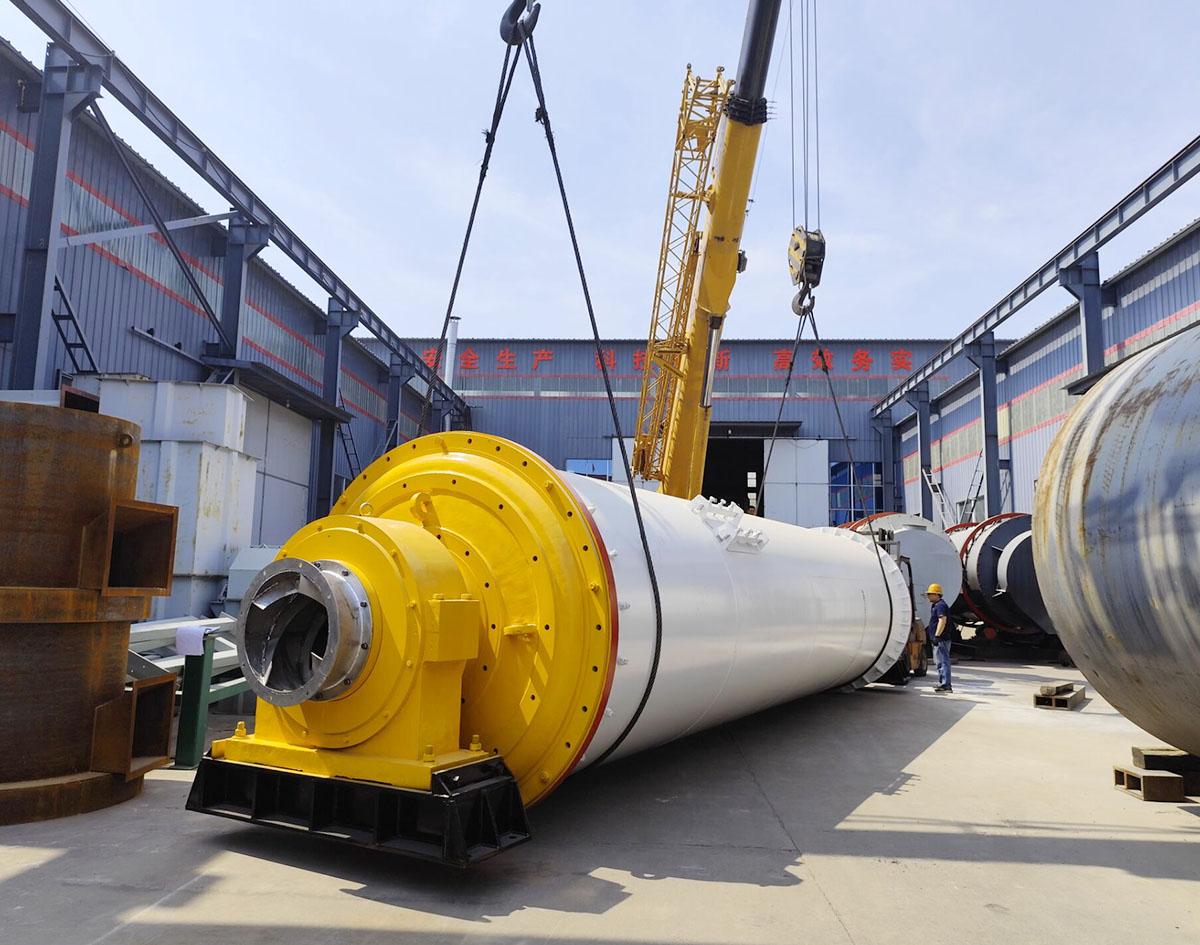
Our bauxite ball mill is purpose-built for this demanding duty. With heavy-duty liners, optimized grinding media, and the flexibility to run wet or dry, it delivers:
Long liner life measured in years, not months — even with high-silica bauxite
Stable product fineness from 0.074 mm to 0.4 mm, matching your downstream process exactly
Reliable throughput of 5 to 150 tons per hour, with uptime exceeding 92%
Reduced power consumption compared to older rod mills or general-purpose ball mills
A single ball mill for bauxite processing plant that can serve as the heart of your grinding circuit
When your ore is tough, your grinding mill must be tougher. Here’s the one that is.
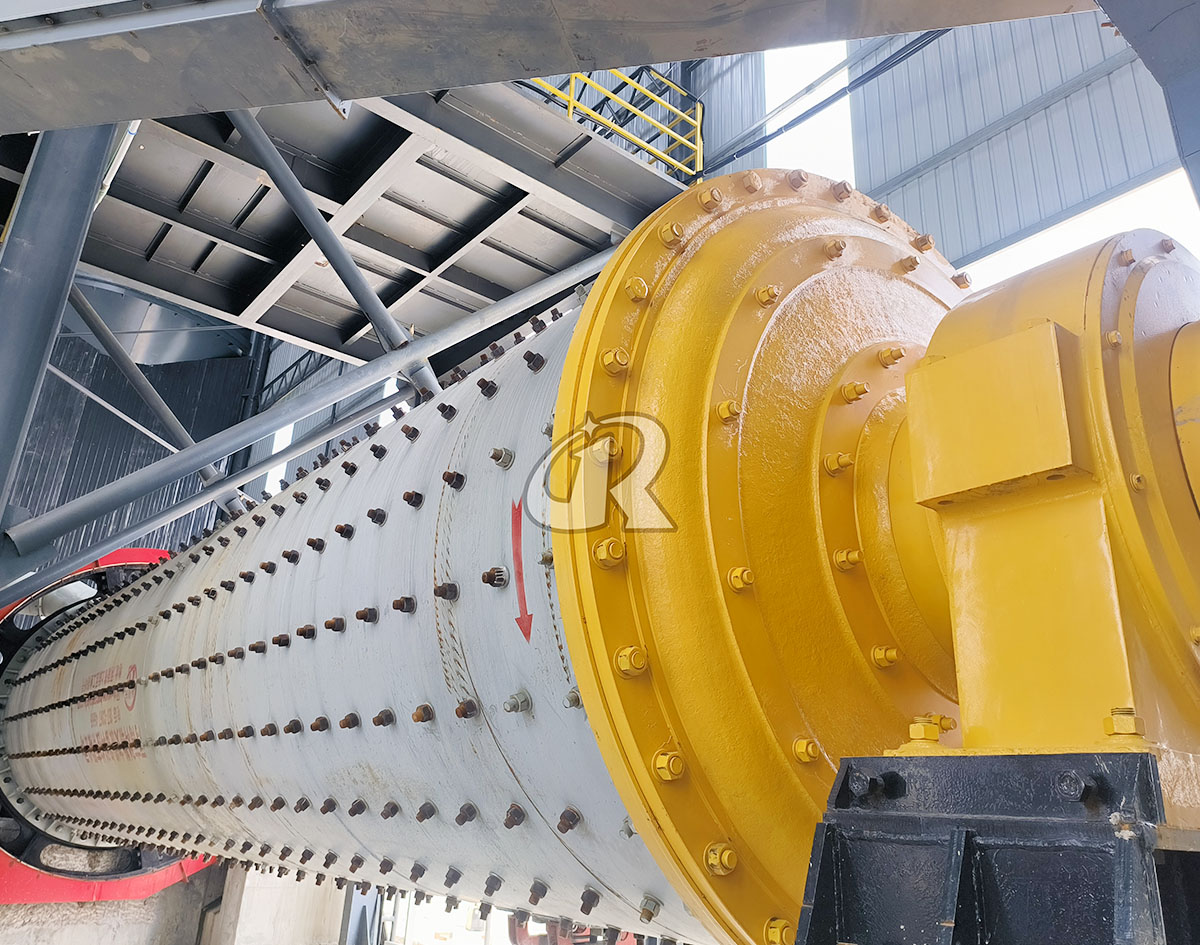
Bauxite’s silica content makes it a natural grinder-killer. We line the mill shell, feed head, and discharge head with thick high-manganese steel (Mn13 or Mn18) or high-Cr cast iron, specifically heat-treated for work-hardening under impact. Segmented liners allow targeted replacement without a full reline — keeping your bauxite processing plant online.
Wet grinding produces the slurry (typically 60–70% solids) needed for the Bayer digestion process in alumina refineries.
Dry grinding delivers powder for refractory bauxite, cement additive, or high-alumina cement production.
Our ball mill for bauxite processing plant is configured for your specific route, with the proper discharge arrangement (overflow for wet, grate for dry) and media charge.
Bauxite grinding is rarely just a mill. We engineer the complete closed circuit: feeding system, bauxite ball mill, hydrocyclone or air classifier, and slurry pump (wet) or dust collection (dry). Every component is sized to work together, ensuring the target particle size is met consistently without over-grinding.
The combination of wear-resistant liners, optimized ball charge, and closed-circuit classification drives specific power consumption as low as 12–18 kWh/t (wet) or 15–22 kWh/t (dry), significantly lower than older open-circuit or rod mill circuits. Lower kWh/ton means lower operating costs for the life of your bauxite processing plant.
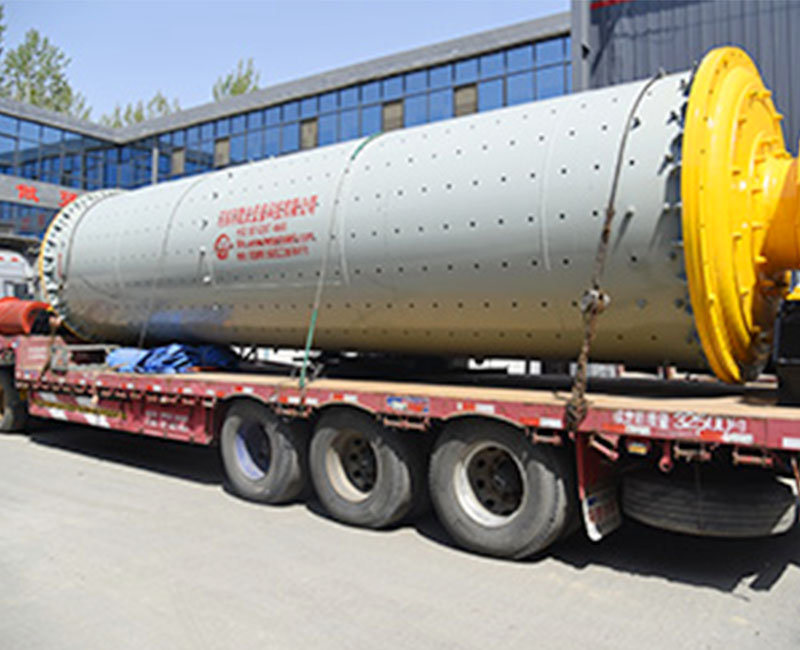
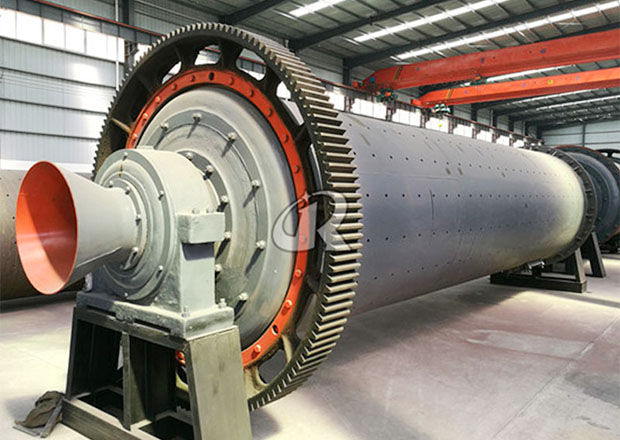
Bauxite mines and refineries are often in remote areas. Our ball mill is designed with simple, robust mechanics: slide-shoe or trunnion bearings, single or dual pinion drive, and easy-to-source standard components. It’s a mill your local team can maintain confidently.
| Parameter | Specification |
|---|---|
| Mill Type | Overflow (wet) or grate discharge (dry) ball mill |
| Capacity | 5 – 150 tons per hour |
| Feed Material | Crushed bauxite (≤ 25 mm) |
| Feed Moisture | Wet: slurry 60–70% solids; Dry: ≤ 5% |
| Product Fineness | 0.074–0.4 mm (P80), adjustable |
| Liner Material | High-Mn steel (Mn13/Mn18), high-Cr iron, or rubber |
| Grinding Media | Forged steel balls, high-Cr balls |
| Bearing | Trunnion or double slide-shoe |
| Drive | Single or dual pinion, soft-start |
| Control | PLC with automatic feed and water/slurry control |
From a single mill to a complete bauxite grinding circuit — we deliver what your process needs.
Request Your Bauxite Ball Mill Proposal →
Alumina refineries (Bayer process) grinding bauxite into slurry for digestion, the most critical step in alumina production.
Refractory producers milling calcined bauxite into fine powder for bricks and castables.
Cement plants using bauxite as an iron and alumina source in raw meal or as an additive.
High-alumina cement manufacturers requiring ultra-fine bauxite powder.
Mineral processing and EPC contractors specifying robust grinding equipment for greenfield bauxite projects.
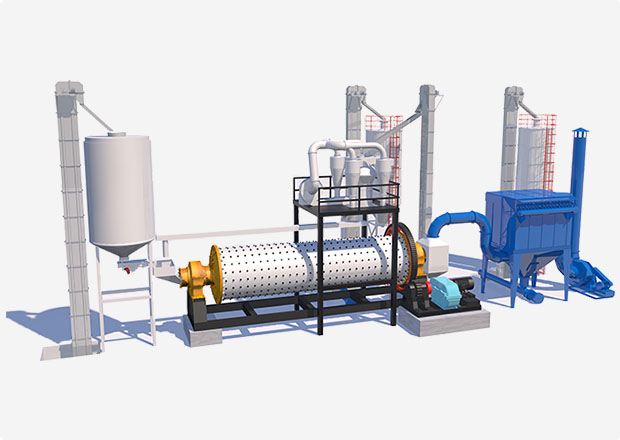
Crushed Bauxite Feeding — Ore is crushed to ≤25 mm and fed into the mill via a belt feeder and weigh scale.
Wet or Dry Grinding — The rotating mill tumbles steel balls, crushing bauxite to target size. In wet mode, water is added to form slurry; in dry mode, hot air may be introduced for drying.
Classification — The mill discharge flows to a hydrocyclone (wet) or air classifier (dry). Oversize returns to the mill; fine product advances.
Slurry Storage or Powder Collection — Wet slurry is pumped to digestion tanks. Dry powder is collected by bag filter and conveyed to silos.
A seamless, automated process that delivers the exact feed your digestion or kiln expects — hour after hour.
“Our liner replacement interval went from 8 months to over 2 years.”
“Grinding high-silica bauxite used to destroy our liners twice a year. Since installing [YourCompany]’s ball mill for bauxite processing plant with high-Mn steel liners, we’ve run for 26 months without a reline. Mill availability is above 95%, and our digestion feed is more consistent.”
— Maintenance Manager, Alumina Refinery, Guinea
“Our entire grinding circuit was delivered and commissioned on schedule.”
“We contracted [YourCompany] for the complete bauxite grinding circuit — mill, hydrocyclones, pumps, and automation. The integrated approach meant no interface issues. The system achieved nameplate capacity in the first week, and slurry density has been rock-steady.”
— Project Director, Greenfield Alumina Project, India
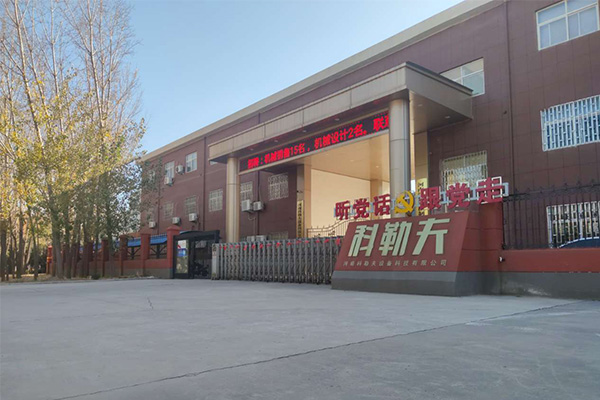
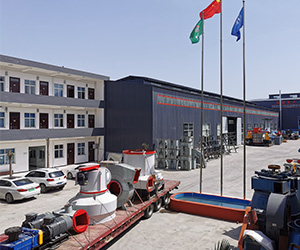
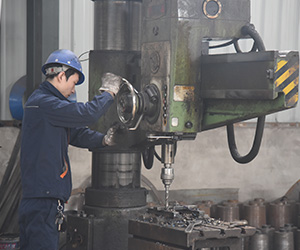
Kolev Equipment Technology Co., Ltd. is a large-scale private technology enterprise specializing in the research, development, production, and sales of mining and metal ore processing equipment. With over 20 years of experience in ultra-fine grinding, industrial drying, and crushing sand making industries, we provide intelligent solutions and mature supporting products worldwide.
Tell us your needs. We will match the best model for you and send a solution + reference quote within 24 hours.
We're here to help with all your inquiries. Send us a message and we'll get back to you promptly.
Fill out the form below and we'll contact you soon